
Transitioning to a new school environment is a significant milestone for children, often accompanied by excitement, curiosity, and sometimes anxiety. For many parents, understanding the emotional and psychological impact of these transitions can make a crucial difference in helping their child adjust smoothly. One of the most common challenges during this phase is separation anxiety, which can affect children of various ages, particularly when they first enter structured educational settings.
Understanding Separation Anxiety
Separation anxiety is a natural response in young children when they are separated from their primary caregivers. It typically manifests as clinginess, tearfulness, or resistance to going to school. While this behavior is normal to some extent, persistent or intense anxiety can interfere with a child's social, emotional, and academic development. Recognizing the signs early allows parents and educators to provide the necessary support to ease the transition.
Factors Influencing School Transitions
Several factors can influence how a child experiences separation anxiety during early school transitions.
Age and Developmental Stage: Younger children, especially toddlers, are more prone to anxiety when leaving familiar caregivers. Developmental readiness plays a role in how children cope with new environments.
Previous Experiences: Children who have had limited exposure to social settings or child day care near me faridabad may find transitions more challenging. Familiarity with a nurturing, structured environment can significantly reduce anxiety.
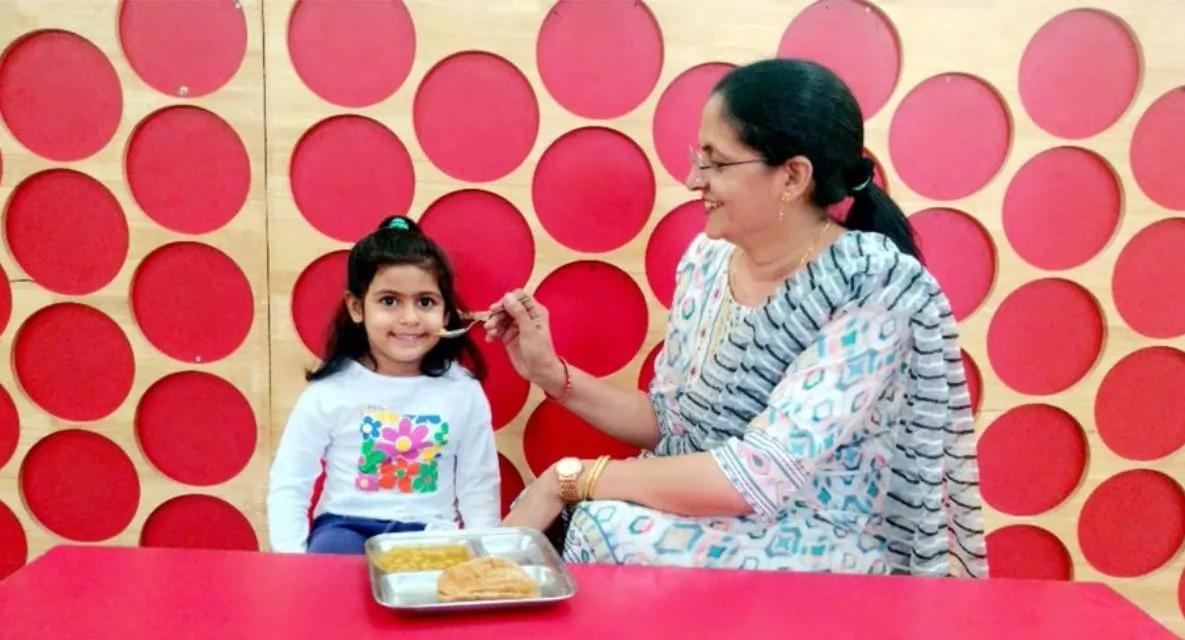
Parental Attitudes: Children often mirror their parents’ emotions. A confident and calm approach from caregivers can reassure children that school is a safe and enjoyable place.
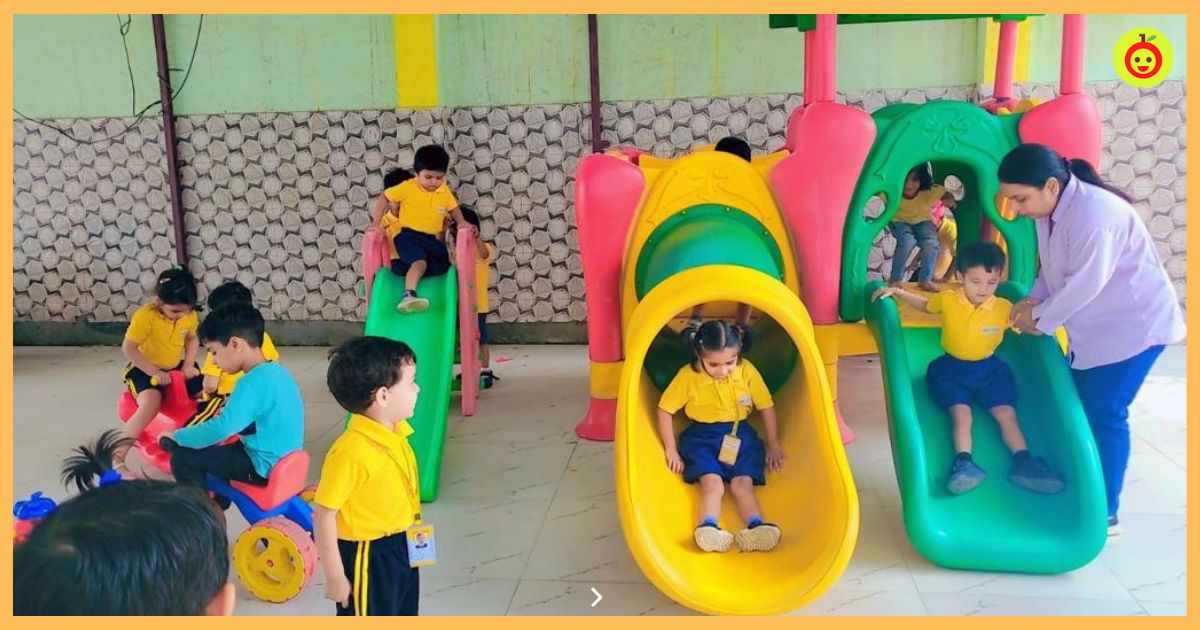
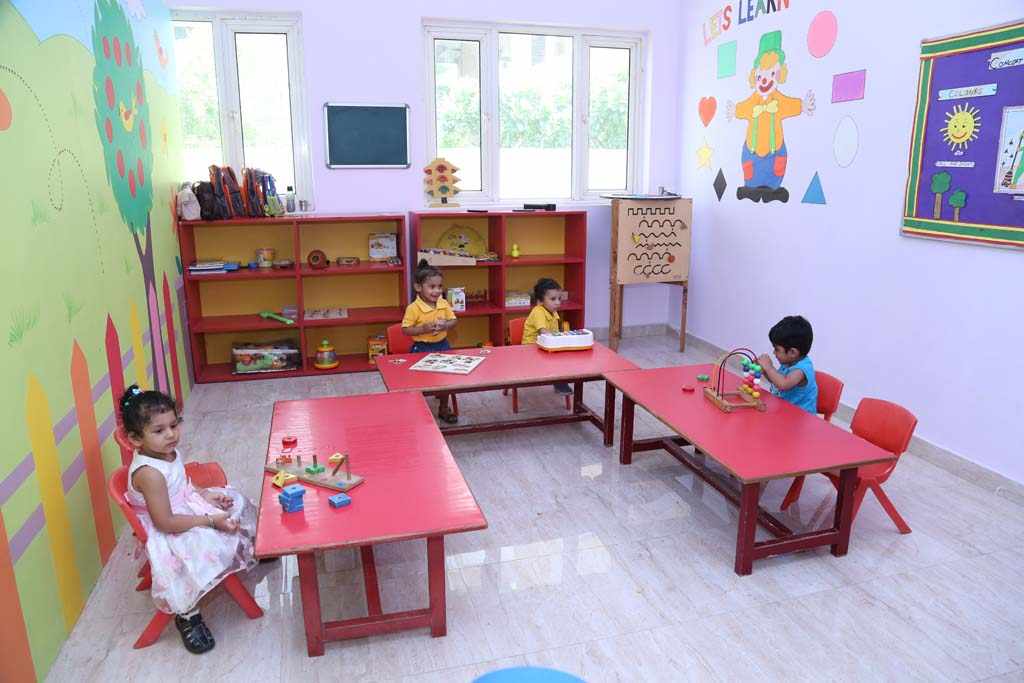
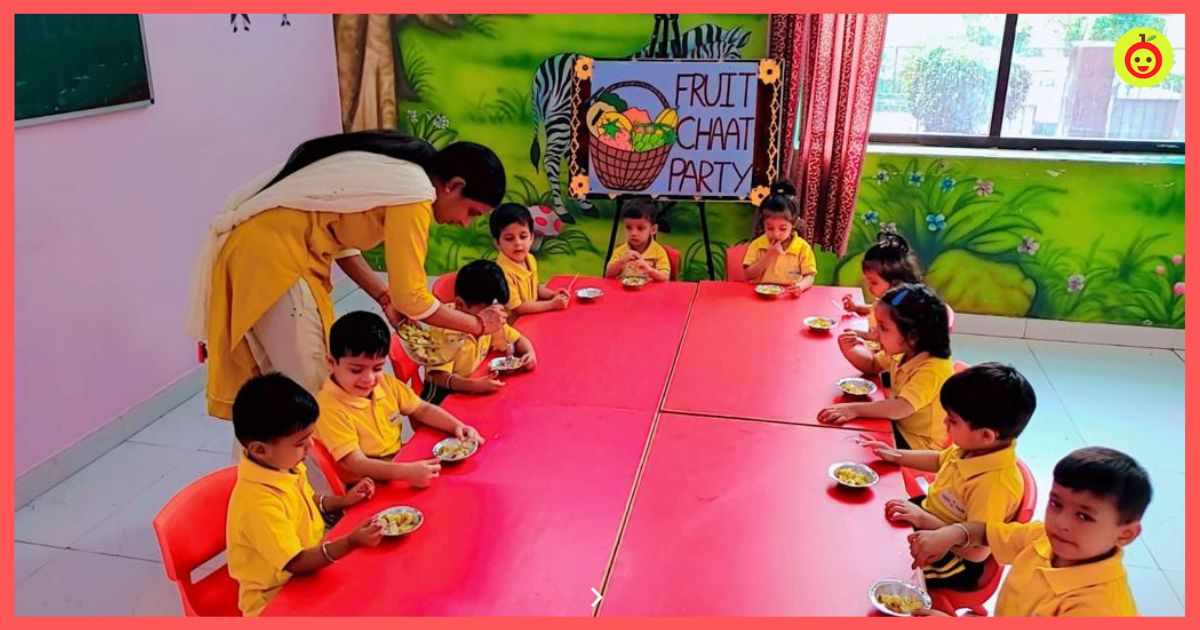
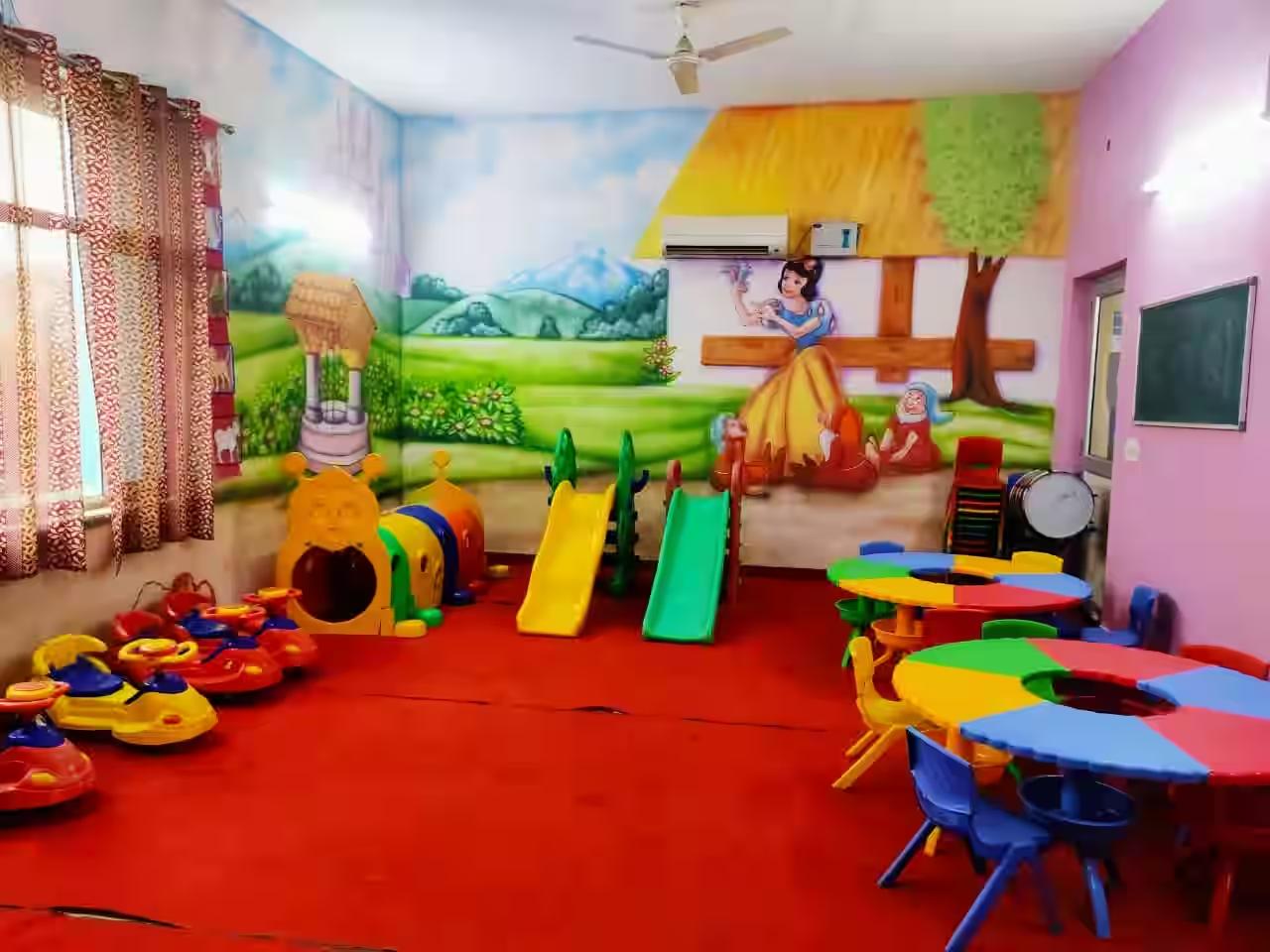
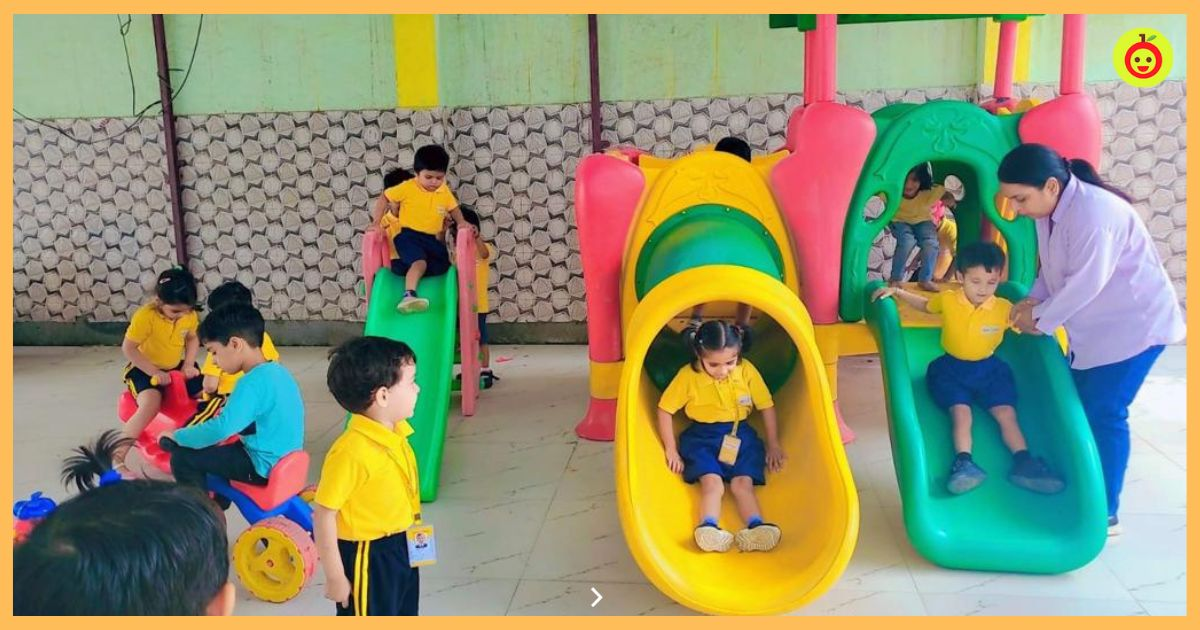
School Environment: A welcoming, child-centered atmosphere, like those provided by institutions such as Apple Seeds, can make a substantial difference. Schools that focus on play-based learning and emotional well-being help children feel secure and motivated to participate.
Tips for Easing Separation Anxiety
Supporting a child through early school transitions requires patience, consistency, and empathy. Here are some practical strategies for parents:
Gradual Introduction: Start with short visits to the school or classroom to help the child become familiar with the environment and teachers. Many parents explore options like the best play school in faridabad, which offer programs designed to gradually acclimate children to school life.
Establish a Routine: Predictable routines provide a sense of stability. Regular sleep, meals, and drop-off rituals can make separation feel less intimidating.
Positive Reinforcement: Praise your child for small successes and celebrate their efforts to be independent. Over time, this reinforces confidence and reduces anxiety.
Open Communication: Encourage children to express their feelings about school. Validating their emotions and discussing what to expect can help them feel understood and secure.
Transitional Objects: Small items like a favorite toy or a family photo can provide comfort during the initial days at school.
Role of Educators and Schools
Teachers and school staff play a vital role in helping children navigate separation anxiety. A responsive and empathetic approach can ease the transition significantly:
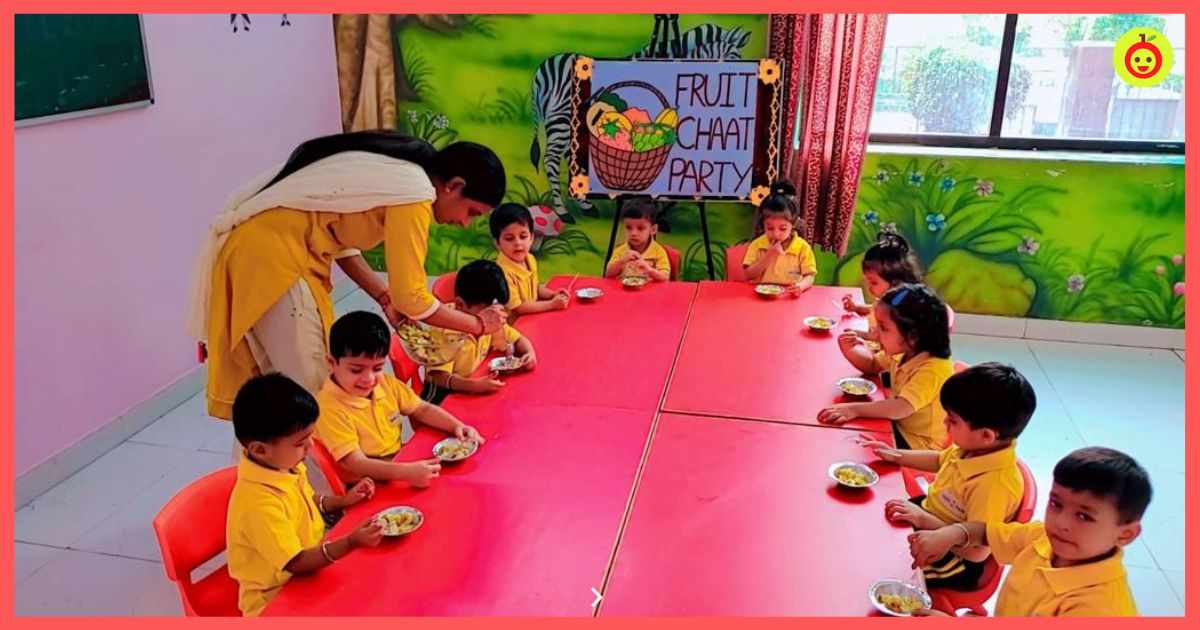
Welcoming Environment: Schools should provide warm greetings, structured activities, and opportunities for children to build friendships. Apple Seeds emphasizes creating a nurturing space where children feel seen and supported.
Routine and Consistency: Maintaining consistent schedules for activities, play, and learning helps children anticipate what comes next, reducing uncertainty.
Parental Collaboration: Regular communication between parents and teachers allows for coordinated strategies that support the child both at home and at school.
Long-Term Benefits of Smooth Transitions
Helping children manage separation anxiety successfully has long-term benefits. Early positive experiences in school foster emotional resilience, social skills, and academic engagement. Children who feel safe and supported during transitions are more likely to develop a love for learning and adapt confidently to future changes, whether moving to a new grade or school.
Parents seeking supportive environments often explore options like child day care near me faridabad and best play school in faridabad, which focus on holistic development. These institutions understand that early experiences set the foundation for a child’s lifelong attitude toward education and social interaction.
When to Seek Professional Support
While mild separation anxiety is typical, persistent or severe anxiety may require professional guidance. Signs that extra support may be necessary include:
Extreme distress at drop-off, lasting more than a few weeks
Physical symptoms such as stomachaches or headaches before school
Reluctance to engage in social interactions or participate in activities
Consulting a child psychologist or counselor can provide strategies tailored to the individual child, ensuring they receive the right support during this critical developmental stage.
Conclusion
Early school transitions are a pivotal time in a child’s life, and separation anxiety is a normal part of this journey. By understanding the factors that contribute to anxiety, employing supportive strategies at home, and choosing nurturing educational environments such as Apple Seeds, parents can help their children navigate these changes with confidence.
Ultimately, fostering a positive, reassuring approach allows children to develop resilience, independence, and a lifelong enthusiasm for learning, making early transitions a stepping stone toward emotional and academic success.


Write a comment ...