
Early childhood is a critical phase when the brain develops rapidly and habits begin to form. A play school provides a safe, structured, and stimulating environment that supports this growth. More than just a place to spend a few hours, play school helps children build social, emotional, and cognitive foundations that last a lifetime. Below are nine smart reasons why enrolling your child in a quality play school is an essential step in their development.
Builds Strong Social Skills Early
Play school introduces children to social settings outside the home. Interacting with peers helps them learn sharing, cooperation, patience, and empathy. These early interactions reduce social anxiety and make future transitions, such as moving to primary school, much smoother.
Encourages Emotional Independence
Being away from parents for short periods helps children develop emotional resilience. They learn to manage small challenges on their own, build confidence, and trust other caregivers. Over time, this independence supports healthy self-esteem and emotional balance.
Develops Communication and Language Skills
Play schools focus heavily on language exposure through stories, songs, conversations, and play-based activities. Children naturally expand their vocabulary and improve sentence formation. A nurturing environment, like the one fostered at Apple Seeds School, encourages children to express themselves freely without fear of mistakes.
Supports Cognitive Growth Through Play
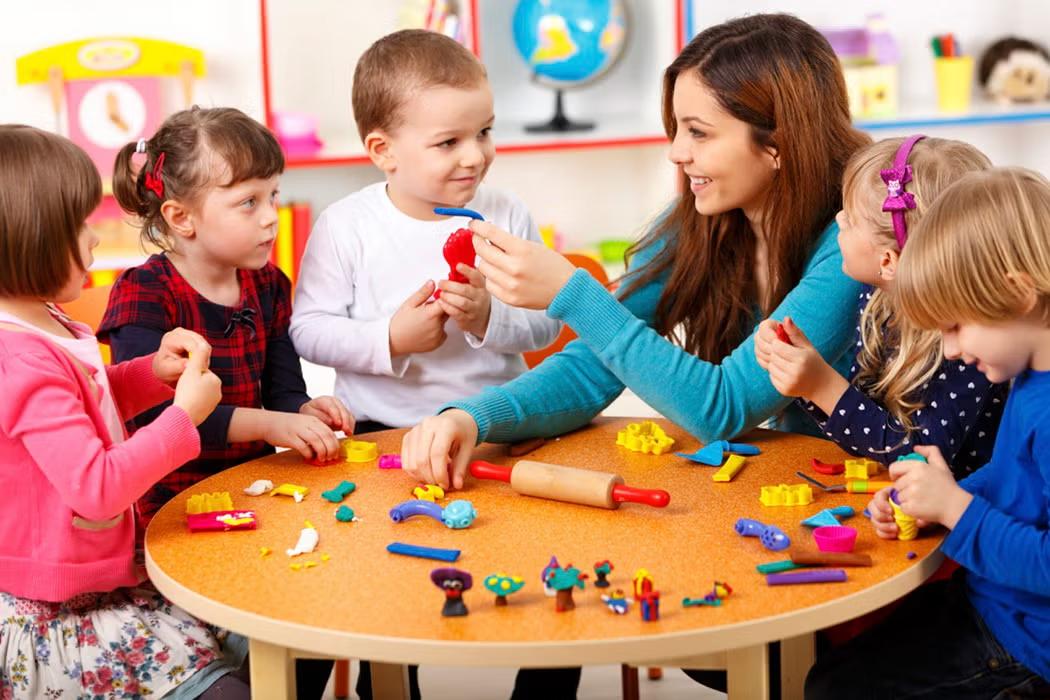
Structured play activities stimulate curiosity and problem-solving skills. Puzzles, building blocks, and creative tasks help develop memory, attention span, and logical thinking. Learning through play makes concepts easier to understand and retain, setting a strong academic foundation.
Establishes a Love for Learning
When learning is fun and pressure-free, children associate education with enjoyment. This positive association motivates them to explore new ideas and ask questions. Schools that balance play with guided learning help children remain enthusiastic and engaged as they grow.
Improves Physical and Motor Development
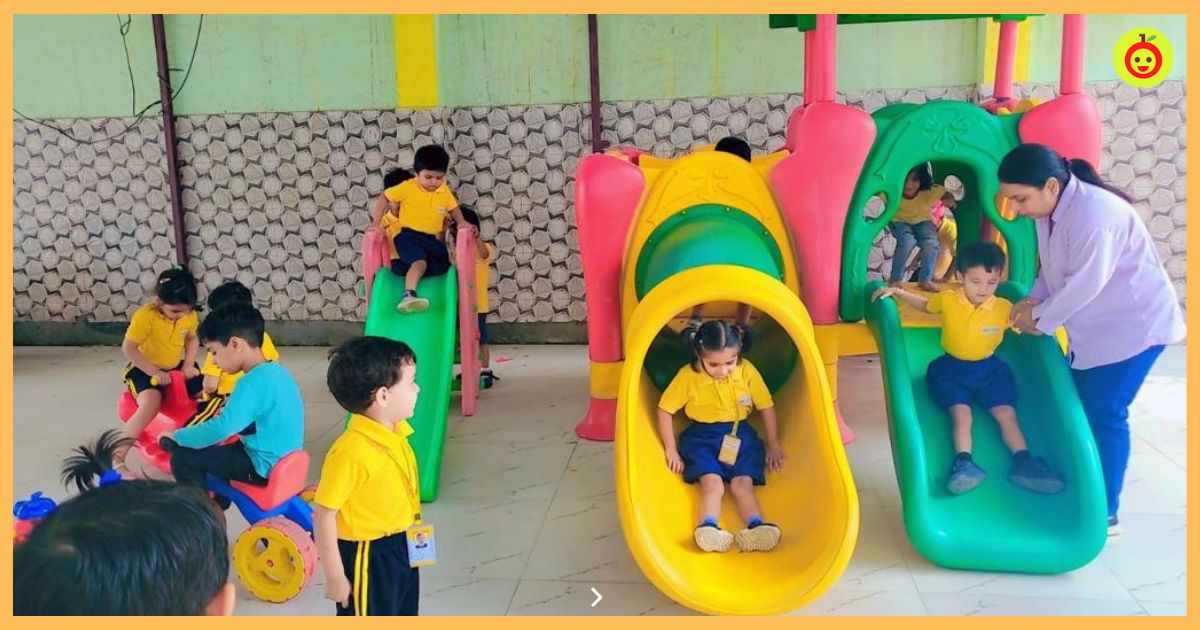
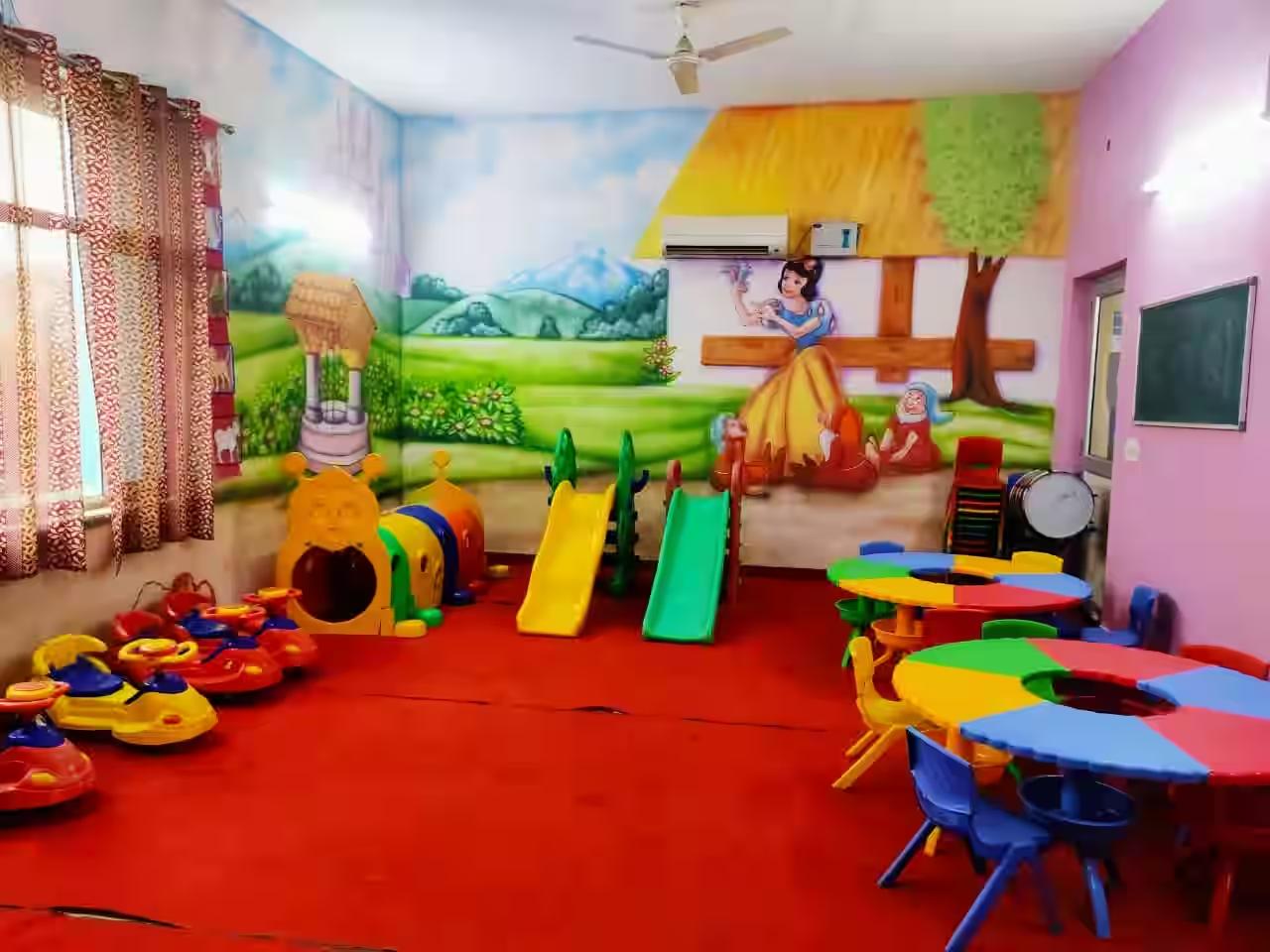
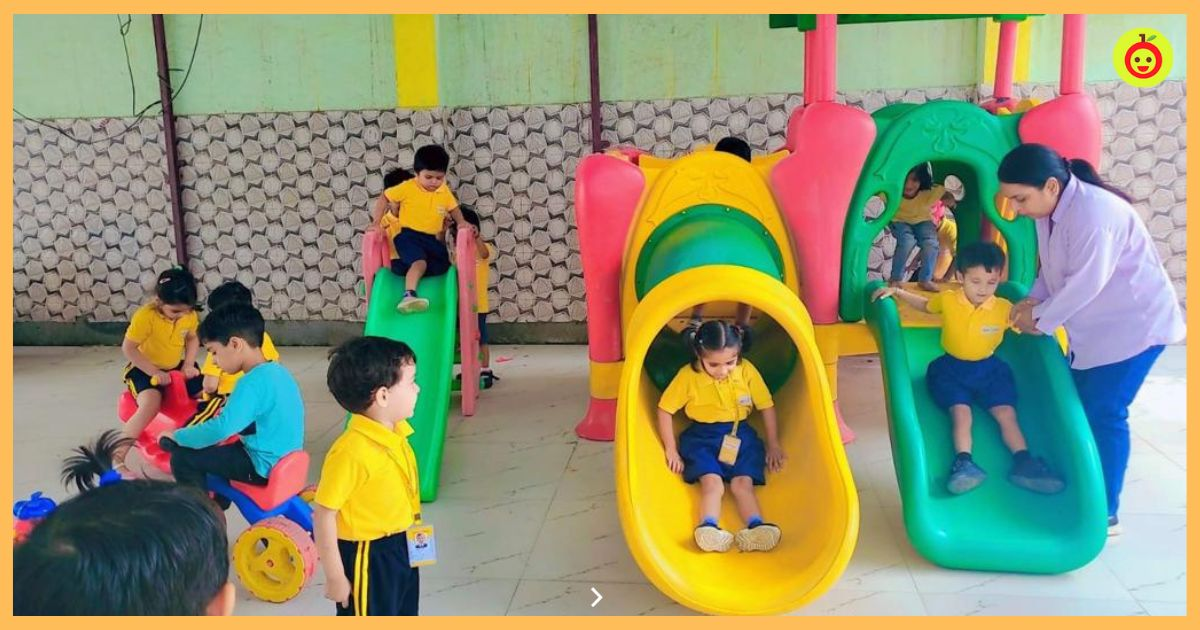
Play schools provide ample opportunities for physical activity, both indoors and outdoors. Activities like running, jumping, drawing, and stacking improve gross and fine motor skills. Regular movement also promotes better health, coordination, and overall energy levels.
Introduces Structure and Routine
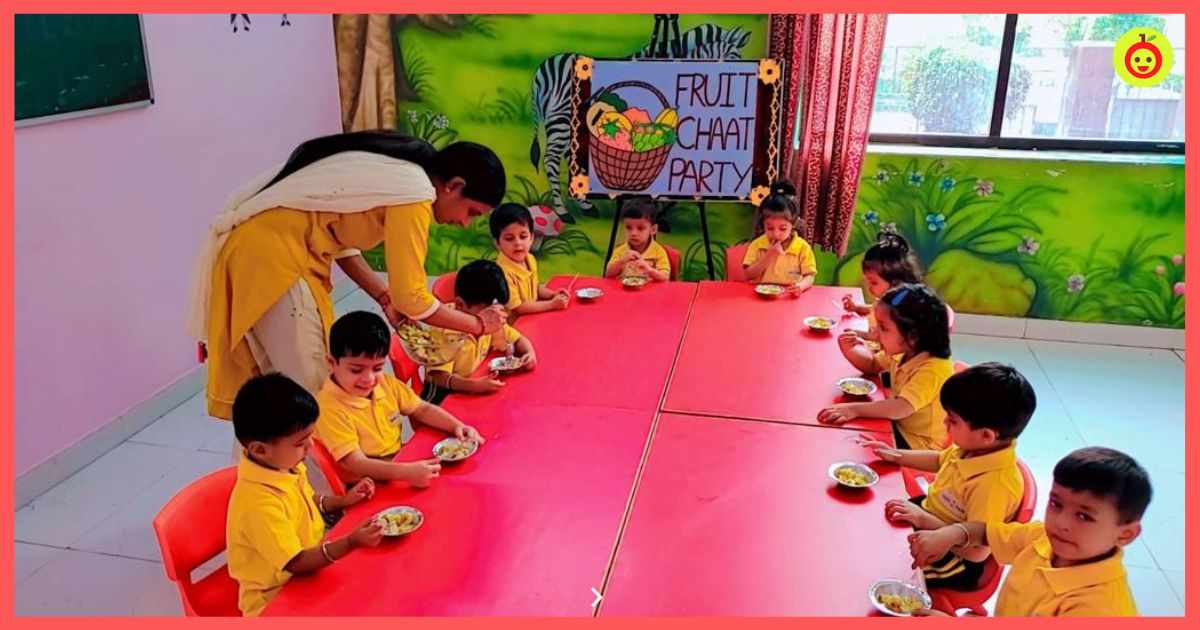
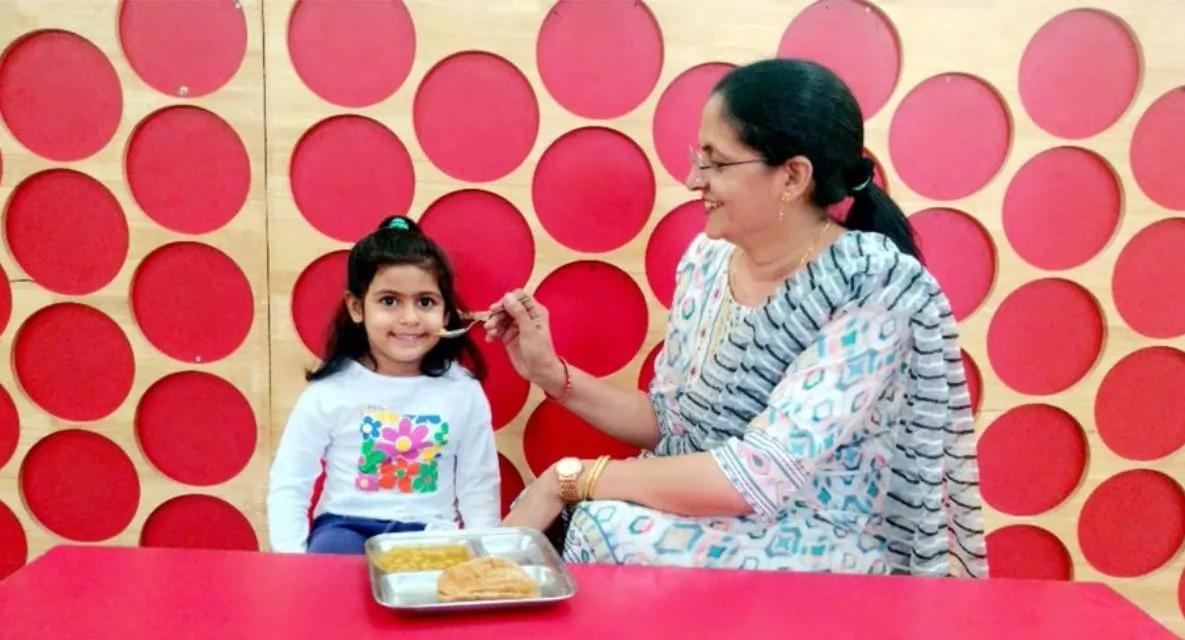
A predictable daily routine helps children feel secure and organized. Following schedules for play, meals, and rest teaches time awareness and discipline in a gentle way. This structure prepares children for more formal schooling without overwhelming them.
Prepares Children for Formal Education
Play school acts as a bridge between home and formal schooling. Children become familiar with classroom settings, group instructions, and basic learning concepts. Parents searching for the best play school in faridabad often value institutions that focus on holistic readiness rather than rote learning, ensuring children are confident and prepared.
Provides Professional Early Childhood Guidance
Qualified educators understand child psychology and development milestones. Their guidance ensures that each child’s unique pace is respected while encouraging growth. Institutions recognized as the no. 1 ranked nursery school in faridabad often stand out for their experienced teachers, well-designed programs, and child-centric approach, qualities that many parents appreciate when choosing Apple Seeds School.
Conclusion
Play school is not just an optional step; it is a vital foundation for a child’s lifelong learning journey. From social skills and emotional strength to cognitive and physical development, the benefits are far-reaching. Choosing a nurturing and thoughtfully designed environment gives children the best possible start. With its balanced curriculum and focus on holistic growth, Apple Seeds School exemplifies how play-based education can shape confident, curious, and capable young learners.


Write a comment ...