
Choosing the right day care program is one of the most important decisions parents make during a child’s early years. Day care today is not just about supervision—it plays a vital role in emotional growth, social skills, and early learning. Understanding the different types of day care programs and what they offer can help families select an environment that supports a child’s unique needs and developmental stage.
Why day care programs matter in early childhood
High-quality day care programs provide children with structure, routine, and meaningful interactions. Through guided play, group activities, and caring supervision, children begin to develop independence and confidence. They also learn how to communicate, solve simple problems, and adapt to new situations—skills that form the foundation for lifelong learning.
Home-based day care programs
Home-based day care is typically run from a caregiver’s home and serves a small group of children. This type of setting often feels warm and personal, making it suitable for infants and toddlers who need close attention.
Children benefit from flexible routines, familiar surroundings, and strong caregiver-child bonds. These programs may not follow a formal curriculum, but they support social interaction, language exposure, and emotional security.
Center-based day care programs
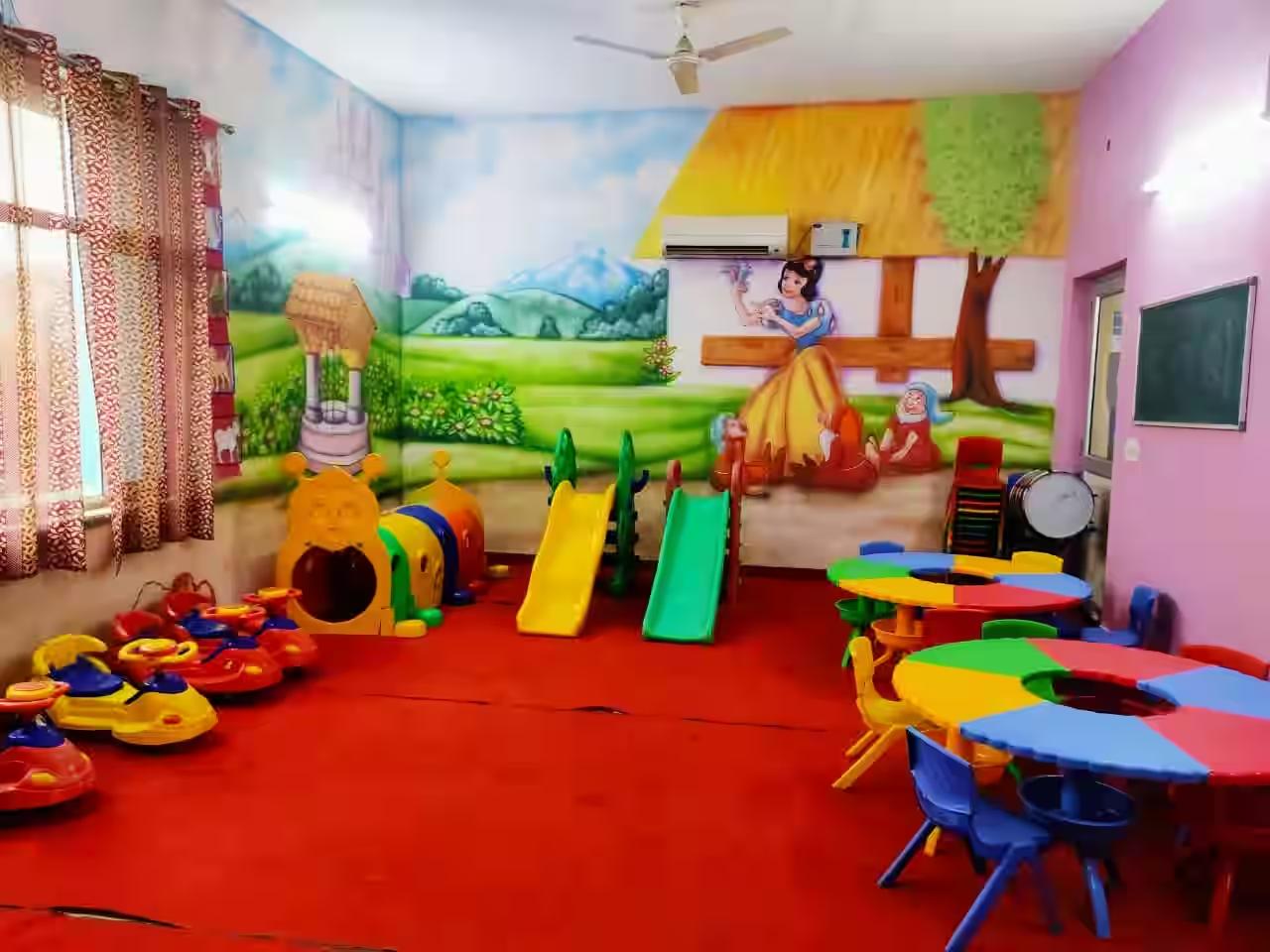
Center-based day care facilities are structured environments designed specifically for children. They usually operate with trained staff, age-appropriate classrooms, and planned daily schedules.
Such programs focus on balanced development by combining free play, guided activities, storytelling, music, and outdoor time. For working parents looking for reliability and consistency, a center-based option like a child day care near me faridabad search result often provides extended hours and professional supervision.
Montessori-based day care
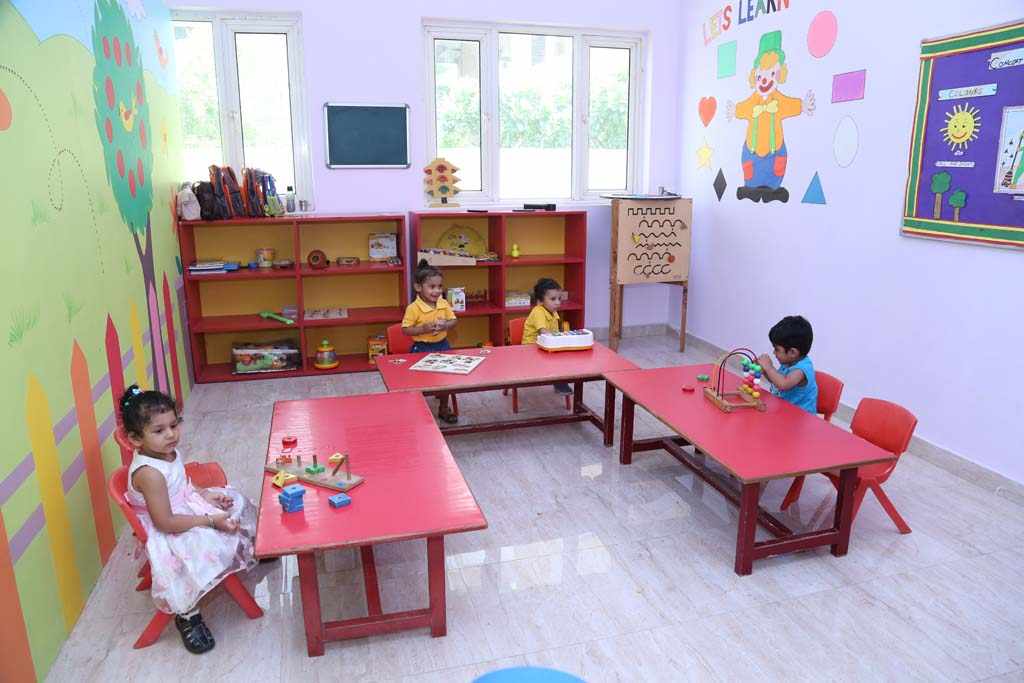
Montessori-inspired day care programs emphasize independence, hands-on learning, and self-paced activities. Children are encouraged to choose tasks that interest them, which helps develop focus and responsibility.
These programs often include sensory materials, practical life exercises, and quiet workspaces. Montessori day care works well for children who thrive in calm, structured environments and enjoy exploring concepts independently.
Play-based day care programs
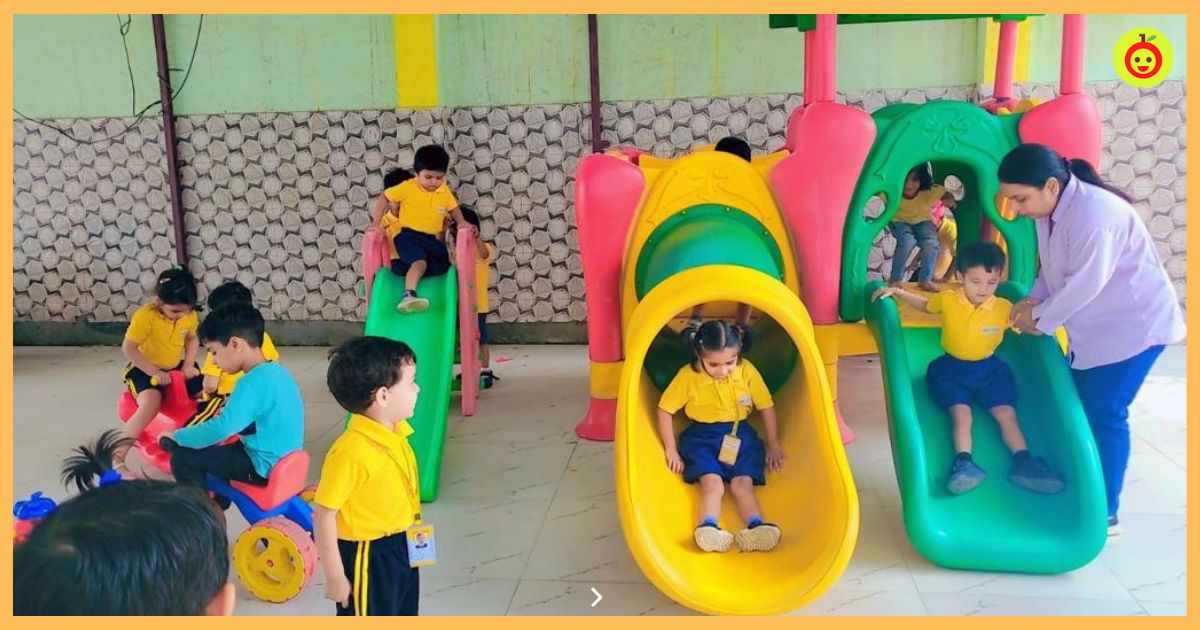
Play-based day care centers believe that children learn best through play. Activities such as role-playing, building blocks, art projects, and outdoor games are central to the daily routine.
Through play, children improve motor skills, creativity, and social understanding. They also learn cooperation, sharing, and emotional expression. Many parents seeking a joyful and engaging environment consider options associated with the best play school in faridabad for this reason.
Preschool-integrated day care
Some day care programs are integrated with preschool education, offering a blend of care and early academics. These programs introduce basic concepts like numbers, letters, shapes, and colors while still maintaining a nurturing atmosphere.
Children benefit from a smooth transition into formal schooling, as they become familiar with classroom routines and group learning. Institutions such as apple seeds pre school faridabad are often recognized for combining structured learning with attentive care.
Specialized and flexible day care options
Modern families have diverse needs, and many day care providers now offer specialized programs. These may include part-time care, after-school programs, or extended-hour services for working parents.
Some centers also provide enrichment activities such as dance, yoga, language exposure, or music sessions. These options allow parents to customize care based on their child’s interests and family schedule.
What children gain from quality day care
Regardless of the type, a good day care program supports holistic development. Children learn to build friendships, manage emotions, and develop communication skills. They gain exposure to new ideas and experiences that encourage curiosity and confidence.
A safe and stimulating day care environment also helps children become more adaptable, making future transitions—such as starting school—less stressful.
Choosing the right program for your child
When selecting a day care program, parents should consider factors such as caregiver qualifications, safety standards, daily routines, and communication practices. Visiting the center, observing interactions, and asking questions can provide valuable insight.
The right program will align with your child’s personality, developmental needs, and your family’s lifestyle, ensuring a positive and enriching early childhood experience.
Understanding the types of day care programs available empowers parents to make informed choices. With thoughtful selection, day care can become a nurturing space where children feel secure, valued, and excited to learn every day.






Write a comment ...